Condo vs. Townhome Inspections: What Northern Virginia Buyers Need to Know
In Northern Virginia’s competitive housing market, attached properties like condominiums and townhomes make up a huge portion of home sales. While buying a condo or townhome often comes with less outdoor yard maintenance, it introduces a unique dynamic: shared structural elements and Homeowners Association (HOA) or Condominium Association responsibilities. Inspecting these homes requires knowing where the association's obligations end and yours begin.
Key Inspection Nuances: Condos vs. Townhomes
Understanding the physical and legal boundaries of your prospective home ensures you aren't surprised by maintenance costs down the road:
Condo Inspections (Interior Focus): When you buy a condo, you typically own the air space "from the drywall in." A condo inspection focuses heavily on internal mechanicals—the dedicated HVAC unit, water heater, interior plumbing lines, electrical subpanel, and individual appliances. However, a veteran inspector will still check shared area connections, balcony structures, and look for signs of water intrusion coming from units above or exterior walls.
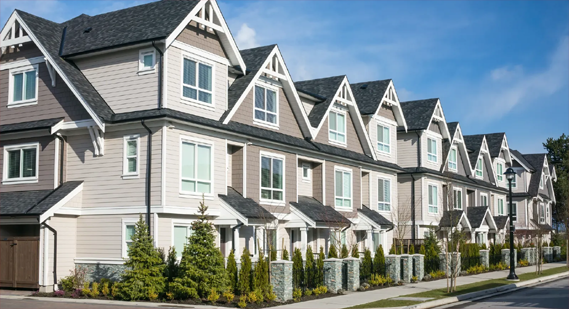
Townhome Inspections (Full Exterior & Roof): Unlike traditional condos, townhome buyers usually own the entire structure, including the exterior siding, foundation, and roof. Your inspection covers the full building envelope, attic space, and drainage around the foundation just like a single-family home, while also evaluating party walls (shared firewalls between units) for proper fire-stopping and sound insulation.
Reviewing Association Responsibilities: While an inspector evaluates physical conditions, you should cross-reference inspection findings with the HOA or condo disclosure packet. Knowing whether the association covers roof replacement, exterior painting, or window seals helps you determine who pays if defects are uncovered.
Spotting Common Attached-Home Defects
Due to high-density construction, attached properties in NoVA often present specific issues. Inspectors pay close attention to acoustic insulation between unit walls, firewall penetrations in attics, aging centralized stack plumbing, and proper ventilation exhaust for dryers and bath fans through exterior walls.
Pro Tip: Even if your condo association is responsible for exterior roof maintenance, always ask your inspector to check top-floor ceilings for water staining—interior damage from a leaking common roof is still your headache to manage.

